When selecting a melatonin product, key factors include clinical research on the raw material, clinical dosing, purity, excipient profile and manufacturing standards. For herbal ingredients, an additional layer is highly relevant and the raw material specification from the ingredient supplier should be checked, rather than relying on words, marketing claims or brand-produced documents. The quality, origin and therapeutic potential of herbal raw materials vary significantly across the many different grades available. Is it a cheap, generic, commonly stocked material that delivers the bare minimum required to pass testing, or the best option available, with the right composition of the active phytochemicals responsible for the therapeutic effect?
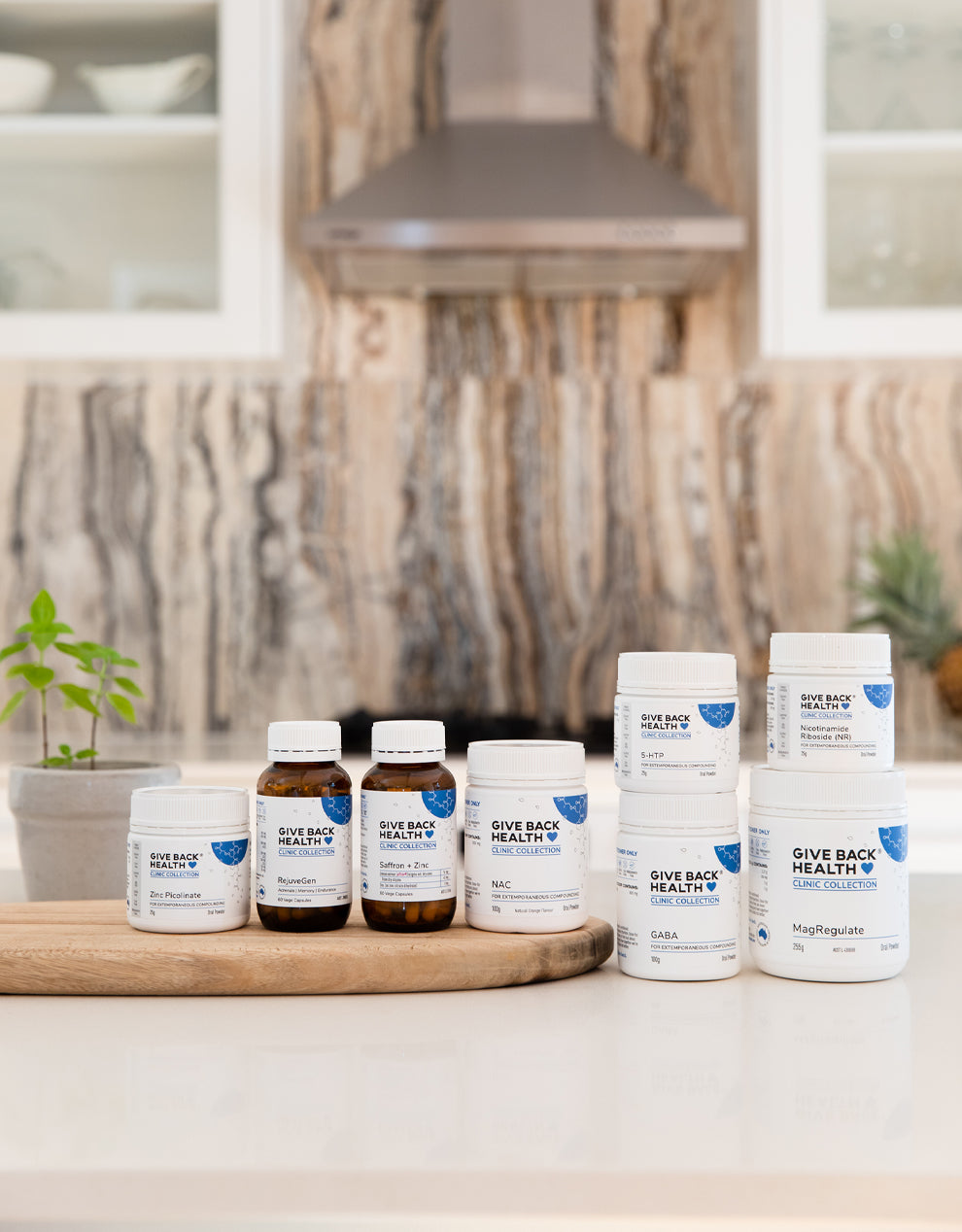
This product has been specifically developed for practitioner use and compounding, with:
- High-quality, verified raw materials with full traceability.
- Manufacturing in a TGA-licensed GMP facility in Australia.
- Rigorous third-party testing to ensure potency, purity and absence of contaminants.
Many practitioners and patients are unaware that most melatonin in the marketplace is either synthetic (most common and derived from petrochemicals) or extracted from the pineal glands of animals. Give Back Health Clinic Collection Sleepatonin® provides an all-natural alternative that contains a proprietory blend made from rice, alfalfa and chlorella. This phyto-melatonin is bio-identical to melatonin, as demonstrated in all third part testing.
Additionally, we have shared education around physiological dosing and although our Sleepatonin® appears to only be a small container, it actually contains 300 doses of the physiological dosing. See blog for the full post and further info.